

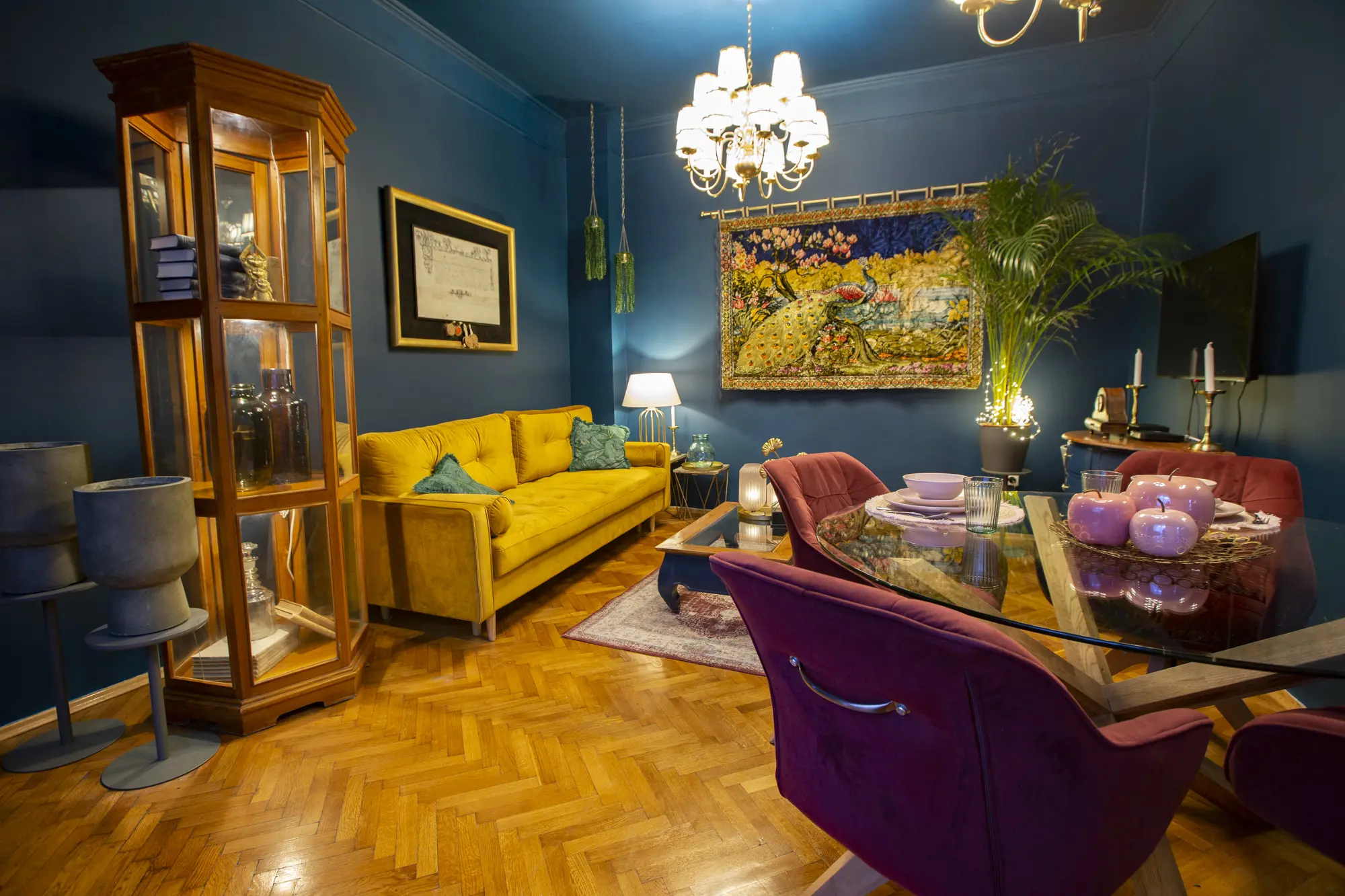


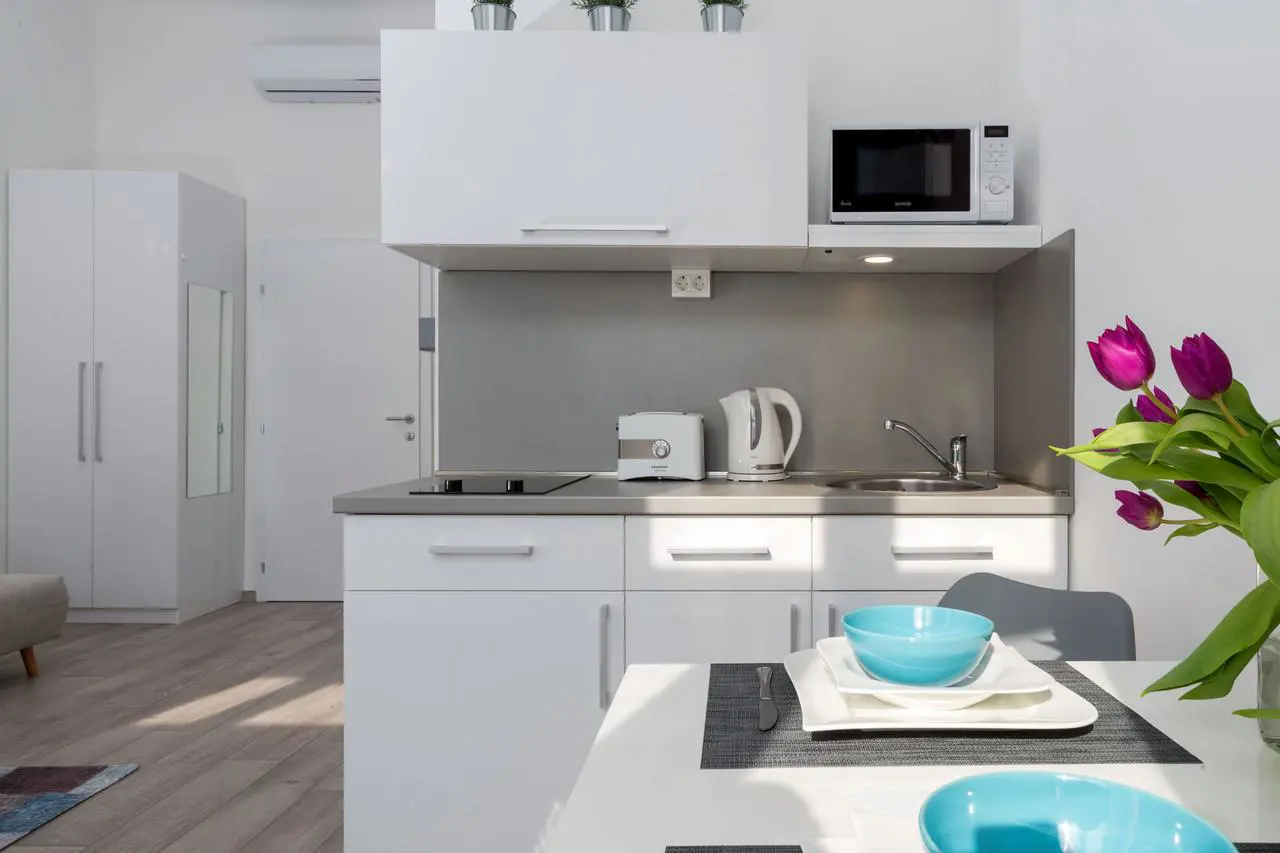
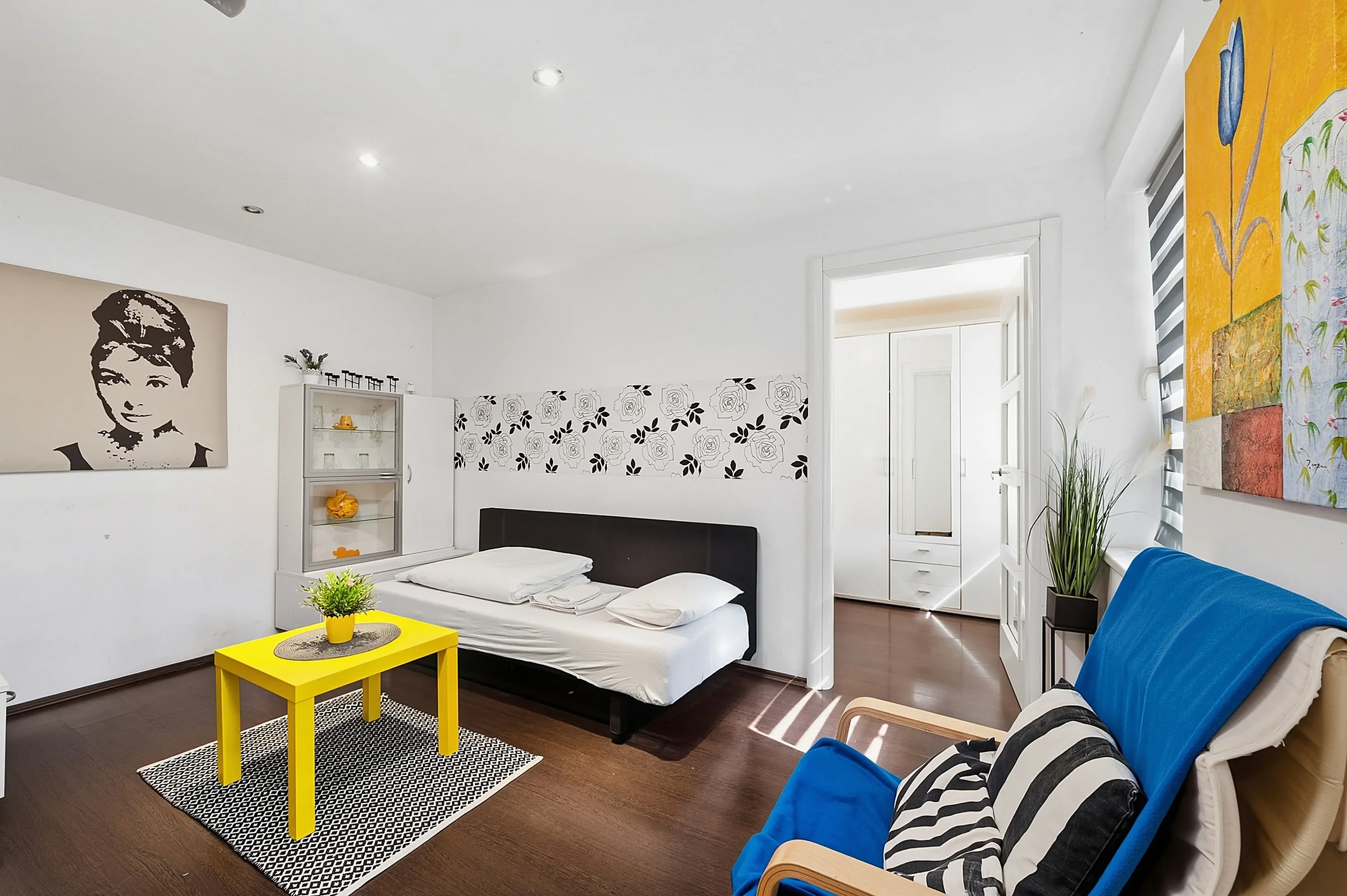

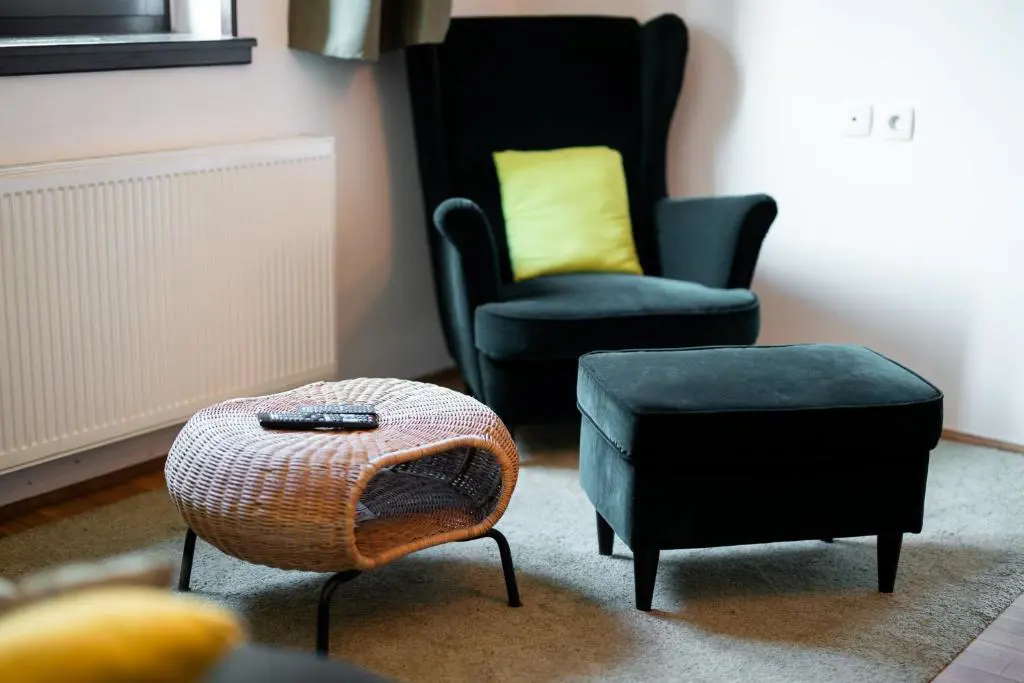














Two bathrooms

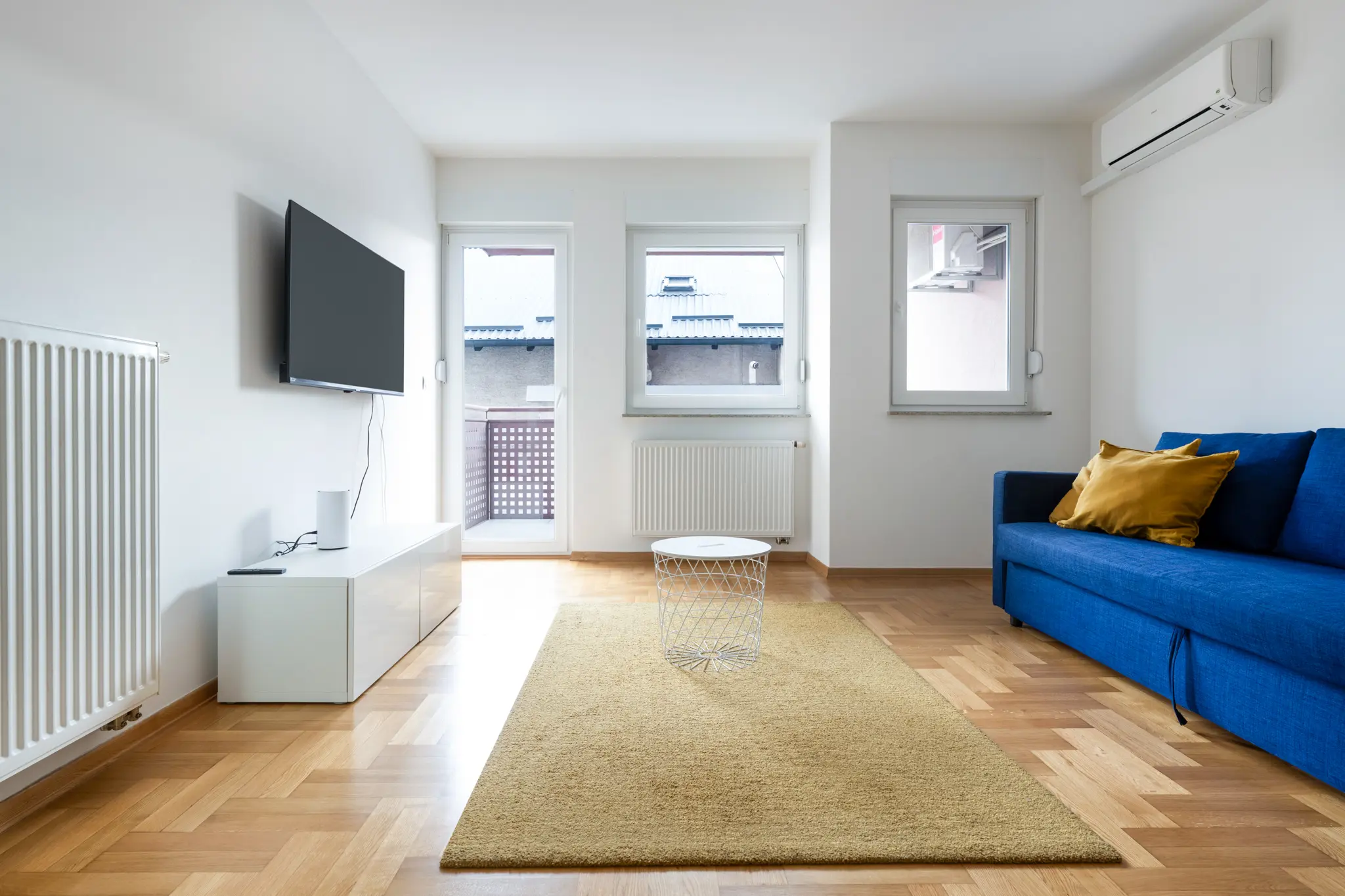
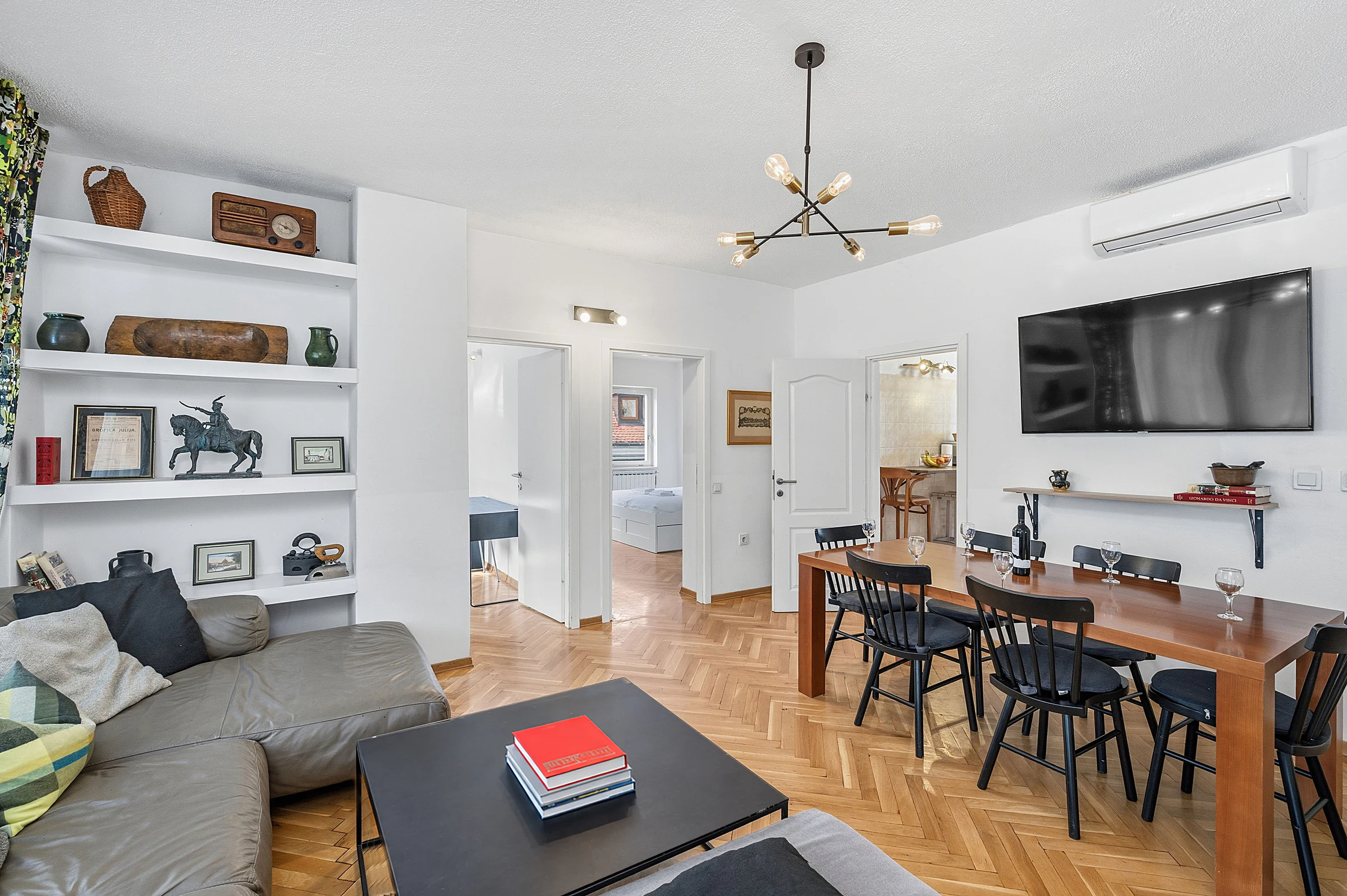
Cozy Loft Apartment in Zagreb Center
- Donji Grad, Zagreb
- 6 guests
- 3 bedrooms
- 117 m²
Zagreb is a capital you can walk: the old Upper Town on its hill, the grand squares and parks of the Lower Town below, and cafés on every corner in between. This is our local guide to its neighbourhoods, sights and practicalities, with the stays we look after here.
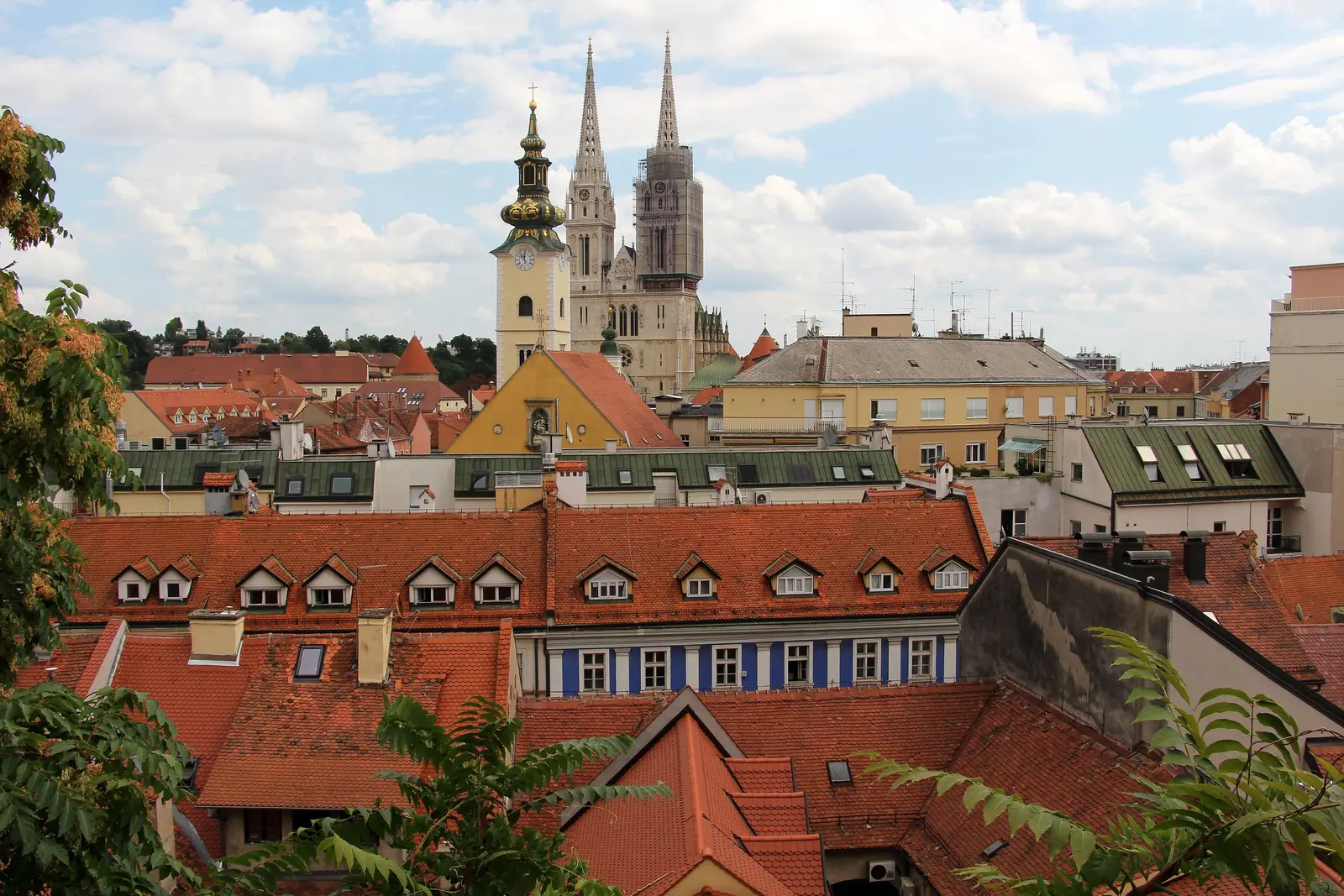
Two medieval hill towns, a grand 19th-century grid below them, and nearly all of it within a 15-minute walk.
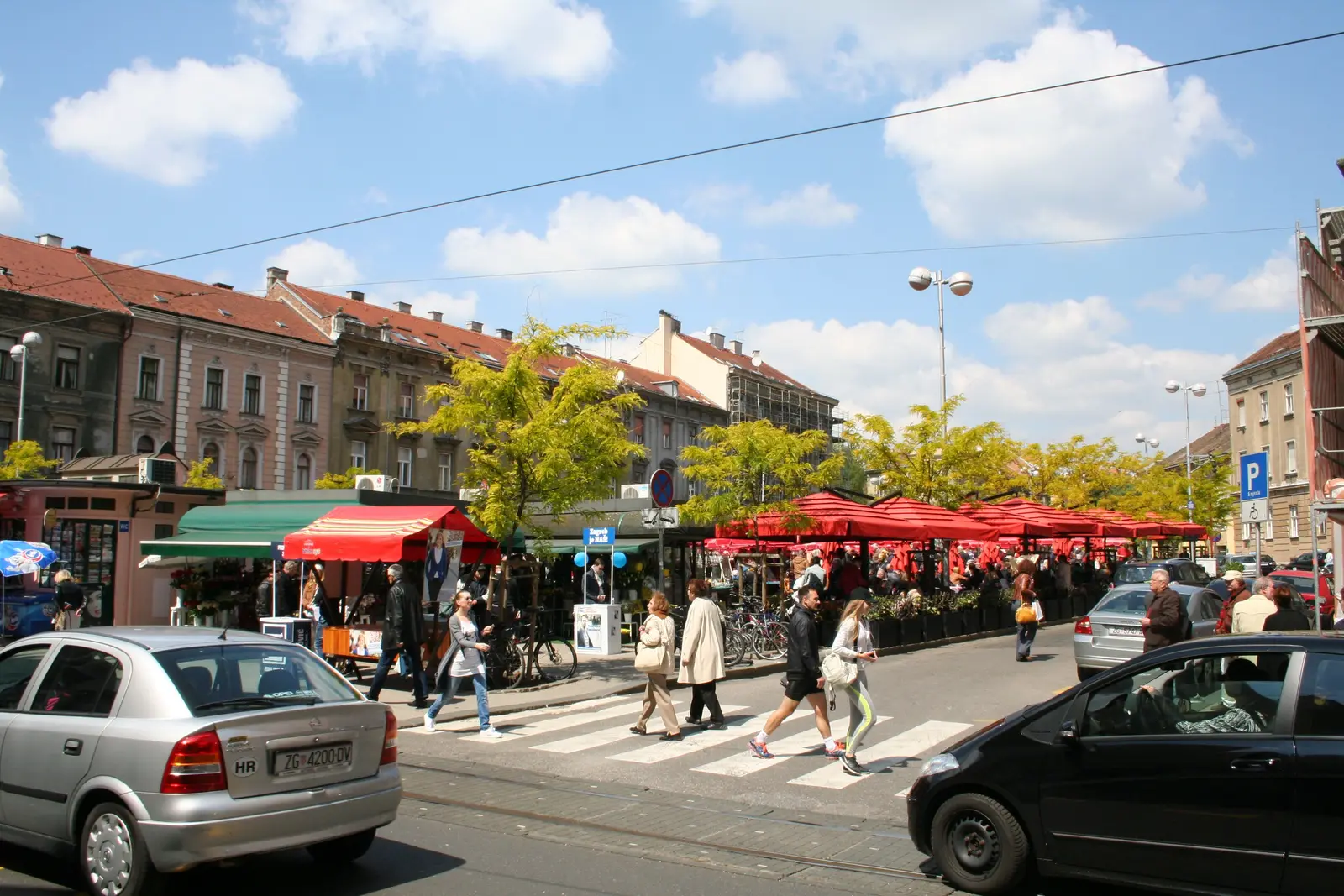
Croatia's capital grew from two medieval settlements on neighbouring hills: Gradec, today's Upper Town, and Kaptol, the bishop's town around the cathedral. They were joined into one city in 1850, and the Lower Town was laid out below them as a grid of Austro-Hungarian blocks, theatres and museums, framed by the green squares of the Lenuci Horseshoe.
Most guests come for two to four days, and nearly everything they want to see is within a 15-minute walk of Ban Jelačić Square, where the old and the new town meet. Trams cover the rest, and Medvednica, the mountain right behind the city, makes an easy half day in the forest.
Our stays are in four parts of the city. Choose by how close you want to be to the main square, and how lively you like your evenings.
The very centre, steps from everything
The heart of the city: the main square with its equestrian statue, Dolac market on the terrace just above, and the pedestrian streets that lead up to the Upper Town and the cathedral. You can have breakfast at the market, be in a museum by ten and pop back for a rest between sights. Expect the buzz of a capital in the evenings, especially at weekends and during Advent.
Cobbled lanes, cafés and church towers
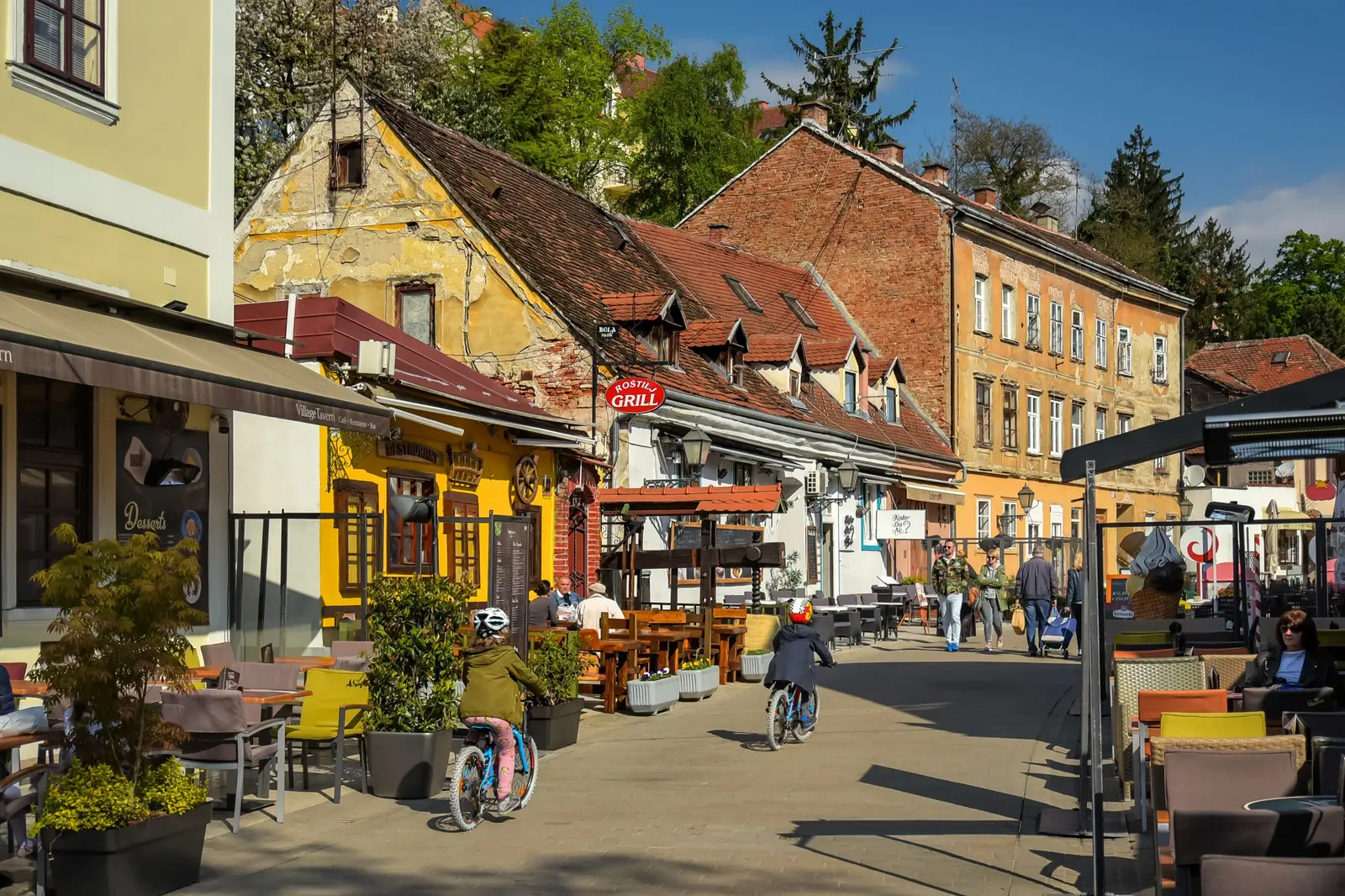
Tkalčićeva Street runs along the foot of the Upper Town. Until the end of the 19th century it was a stream between Gradec and Kaptol; today it is a long line of cafés and terraces. Mesnička Street climbs from Ilica towards St Mark's Church and the Strossmayer Promenade. This is the most atmospheric part of the city, with uphill cobbles and terraces that stay busy late into summer nights.
Calmer streets, a short walk from the square
West and south-west of the main square, the Lower Town is calmer and more residential: tree-lined streets around Kačićeva and Gundulićeva, the theatres and museums of the Lenuci Horseshoe, and Britanski trg, a neighbourhood square with a small daily market and an antiques fair on Sunday mornings. Ilica, Zagreb's longest street, has trams along its length that take you back to the centre in a few minutes.
Residential streets with easier parking
A few of our stays are in the residential neighbourhoods around the centre: further west along Ilica, in Trešnjevka to the south-west, and east of the centre on the way to Maksimir Park. You trade a few minutes on the tram for quieter nights, local bakeries and cafés, and parking that is far easier to find than in the old centre.
Walking times are from Ban Jelačić Square, which most of our stays are close to.

The main square, where the Upper and Lower Town meet. Most of our stays are a short walk away.
Views over the whole city from the 16th floor of the skyscraper on the main square, best at sunset.
The city's main market, under red umbrellas on a terrace above the square: fruit, cheese and flowers every morning.
Café terraces around Preradović Square, where Zagreb meets for špica, the Saturday-morning coffee ritual.
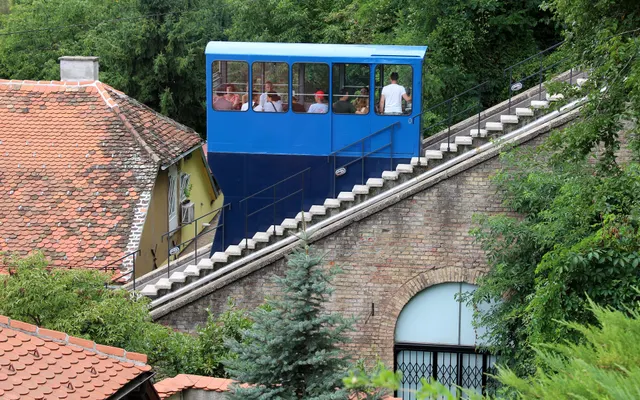
One of the world's shortest funiculars: 66 metres of track from Tomićeva Street up to Lotrščak Tower, running since 1890. The ride takes about a minute.
The neo-Gothic cathedral on Kaptol, with the twin spires you see across the city.
Cafés and bars along a street that was a stream until the 1890s.
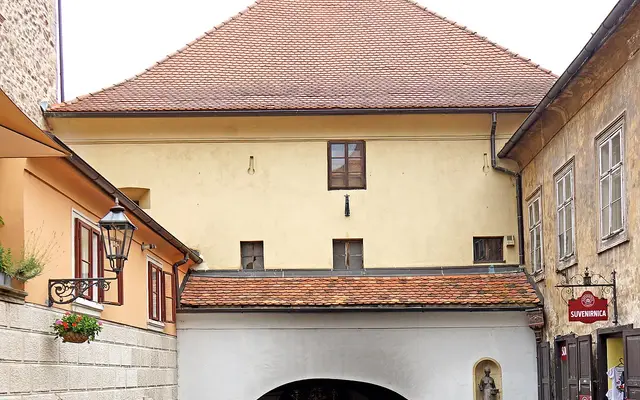
The last surviving gate of medieval Gradec, with a small shrine where candles burn day and night.
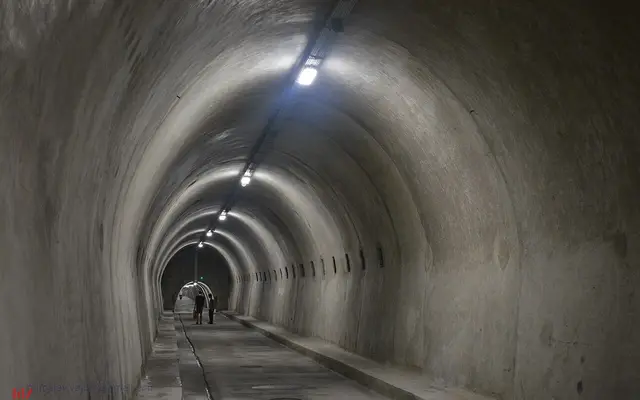
A 350-metre tunnel dug under the Upper Town during the Second World War, now a free walkway between Mesnička and Radićeva streets.
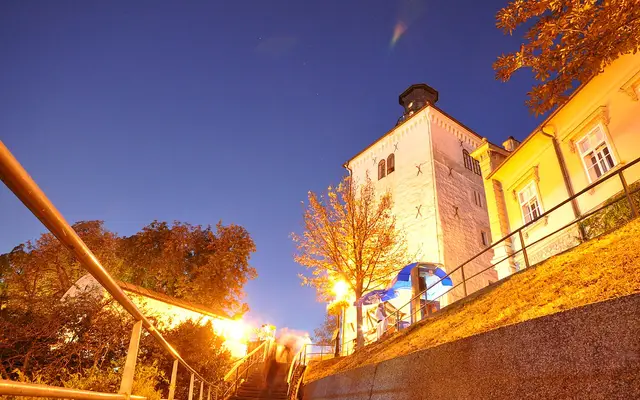
A 13th-century tower whose cannon fires every day at noon, beside a promenade with views over the Lower Town.
A U-shaped chain of parks and squares lined with museums, from Zrinjevac's music pavilion to the main railway station.
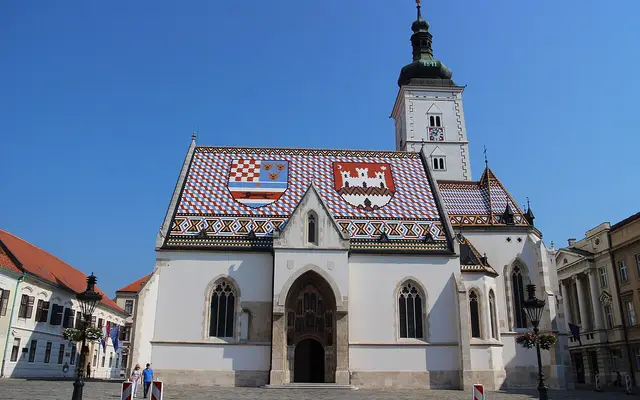
The Upper Town church with the famous tiled roof showing the historic coats of arms of Croatia and Zagreb.
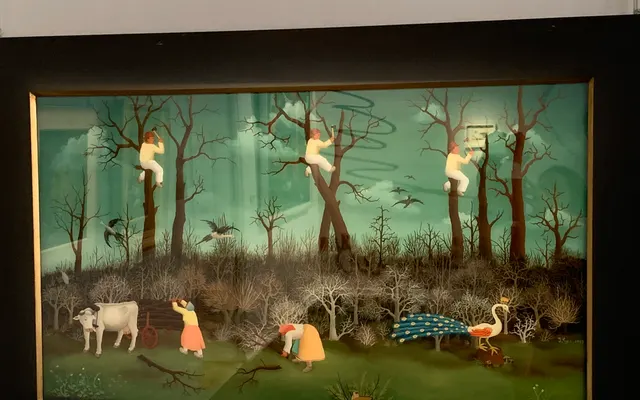
Paintings by self-taught artists, many from the village of Hlebine, in a small Upper Town palace by St Mark's Square: bright country scenes, often painted on the back of glass.
A small Upper Town museum of everyday objects left behind when relationships ended, donated by people from around the world.
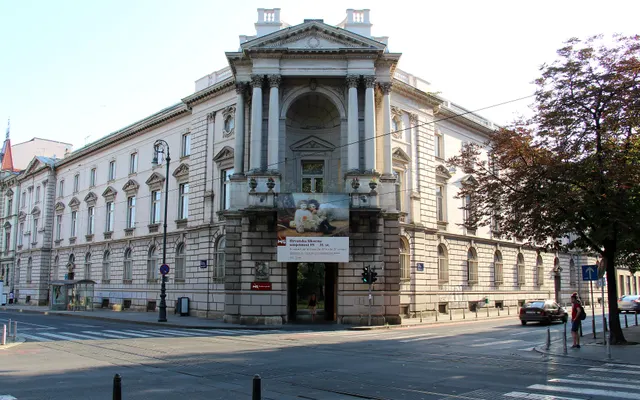
Two centuries of Croatian painting and sculpture in the Vranyczany Palace on Strossmayer Square, one of the green squares of the Lenuci Horseshoe.
The neo-baroque national theatre from 1895, home to opera, ballet and drama, on the west side of the Lenuci Horseshoe.
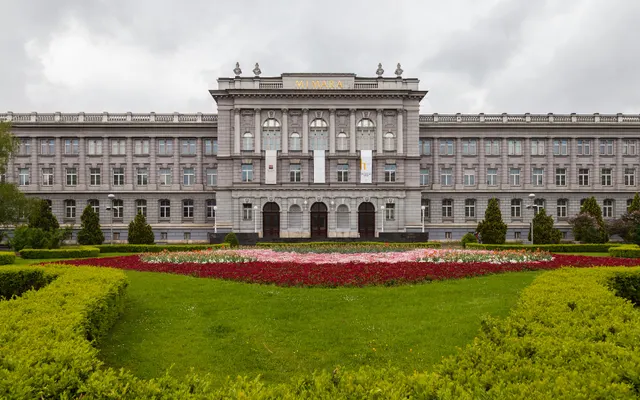
The collection Ante Topić Mimara gave to the city: old masters, glass, ceramics and antiquities in a neo-Renaissance palace on Roosevelt Square.
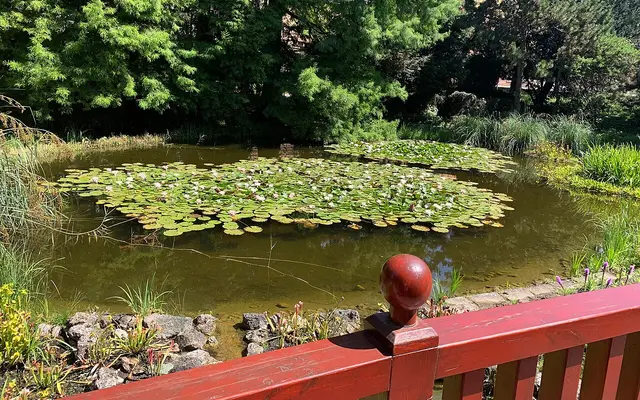
A quiet 19th-century garden at the southern edge of the Lower Town, close to the main railway station.
Often called one of Europe's most beautiful cemeteries, with long ivy-covered arcades.
Bus 106 from KaptolA large 18th-century landscaped park with lakes, oak woods and the city zoo.
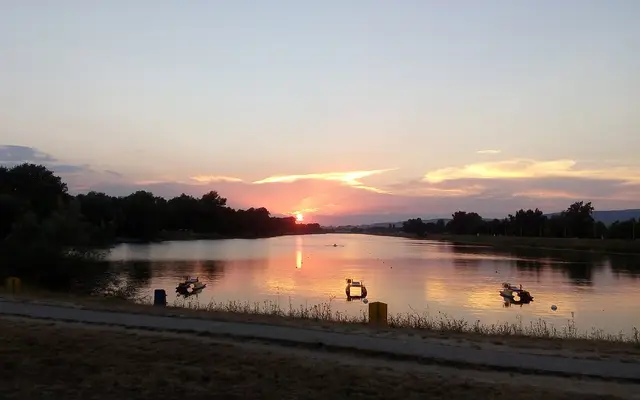
Tram 11 or 12, about 15 minThe city's lake for swimming, cycling and summer evenings by the water.
About 20 min by tramCroatian and international art since the 1950s in a modern building across the Sava, in Novi Zagreb.
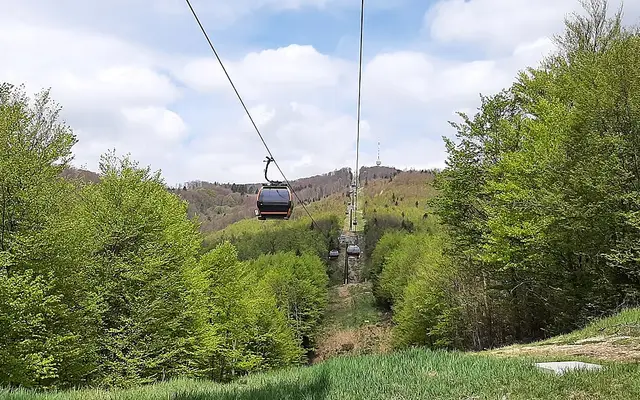
Tram 6 to Sopot, about 25 minThe mountain behind the city, with forest trails and a 5 km cable car to the top.
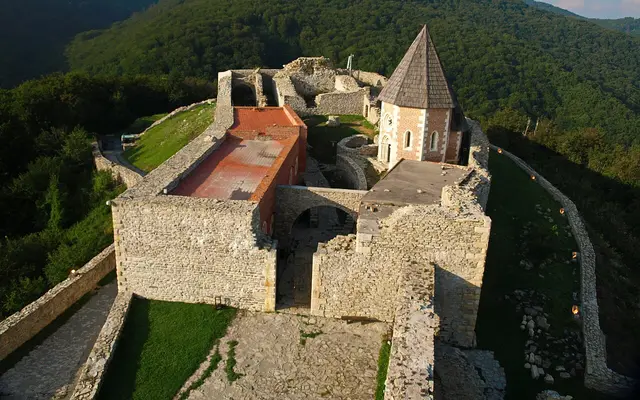
Tram 8 or 14, then 15 to the cable carA restored 13th-century fortress on the slopes of Medvednica, with views back over the city.
Bus 102 to Šestine, then a 45 min trailZagreb sits where the plain meets the hills, so lakes, castles and baroque towns make an easy day out. Distances are by road from the centre; the line under each place says the easiest way there.
Intercity buses leave from the main bus station and trains from the main railway station, both a short tram ride from Ban Jelačić Square.
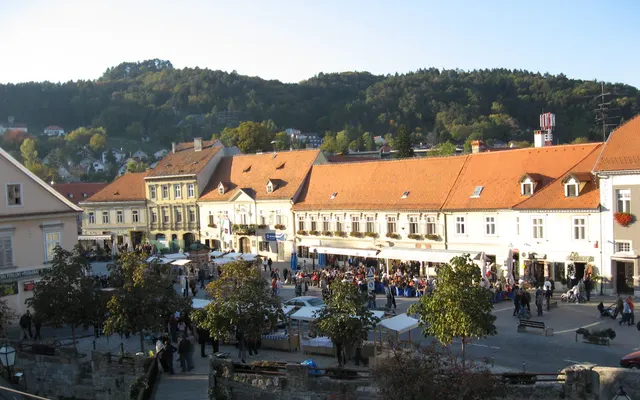
A small town of pastel houses along a stream below green hills, known for kremšnita, its tall custard cream slice, and walks up to the old castle ruins.
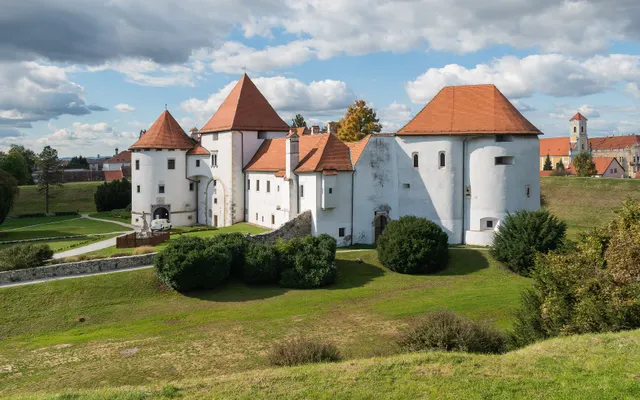
Bus from the main bus station, about 45 minFounded in 1579 as a six-pointed star fortress where four rivers meet, with river swimming in summer and Aquatika, a freshwater aquarium.
Train from the main station, about 1 hrCroatia's capital until 1776: baroque palaces, a white castle inside its old earthworks and a cemetery laid out like a park. In late August, the Špancirfest street festival fills the centre.
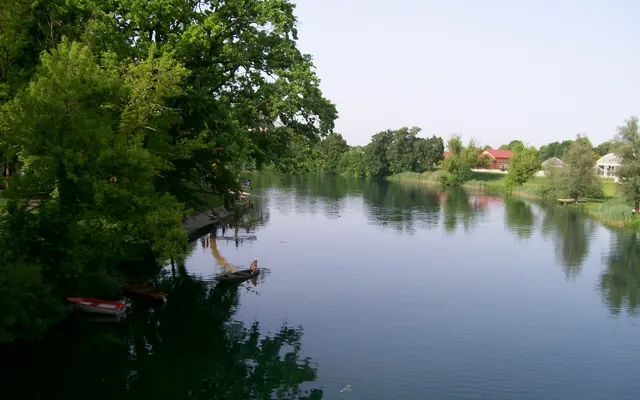
Bus, about 1 hr 30 min; 1 hr by carA white castle on a wooded hill above its own lake in the Zagorje hills, with the furnished rooms of the Drašković family and a path all the way round the water.
Best by car, about 1 hr 15 minA village of old wooden watermills where the Slunjčica tumbles in small waterfalls into the Korana; an easy stop on the road to Plitvice.
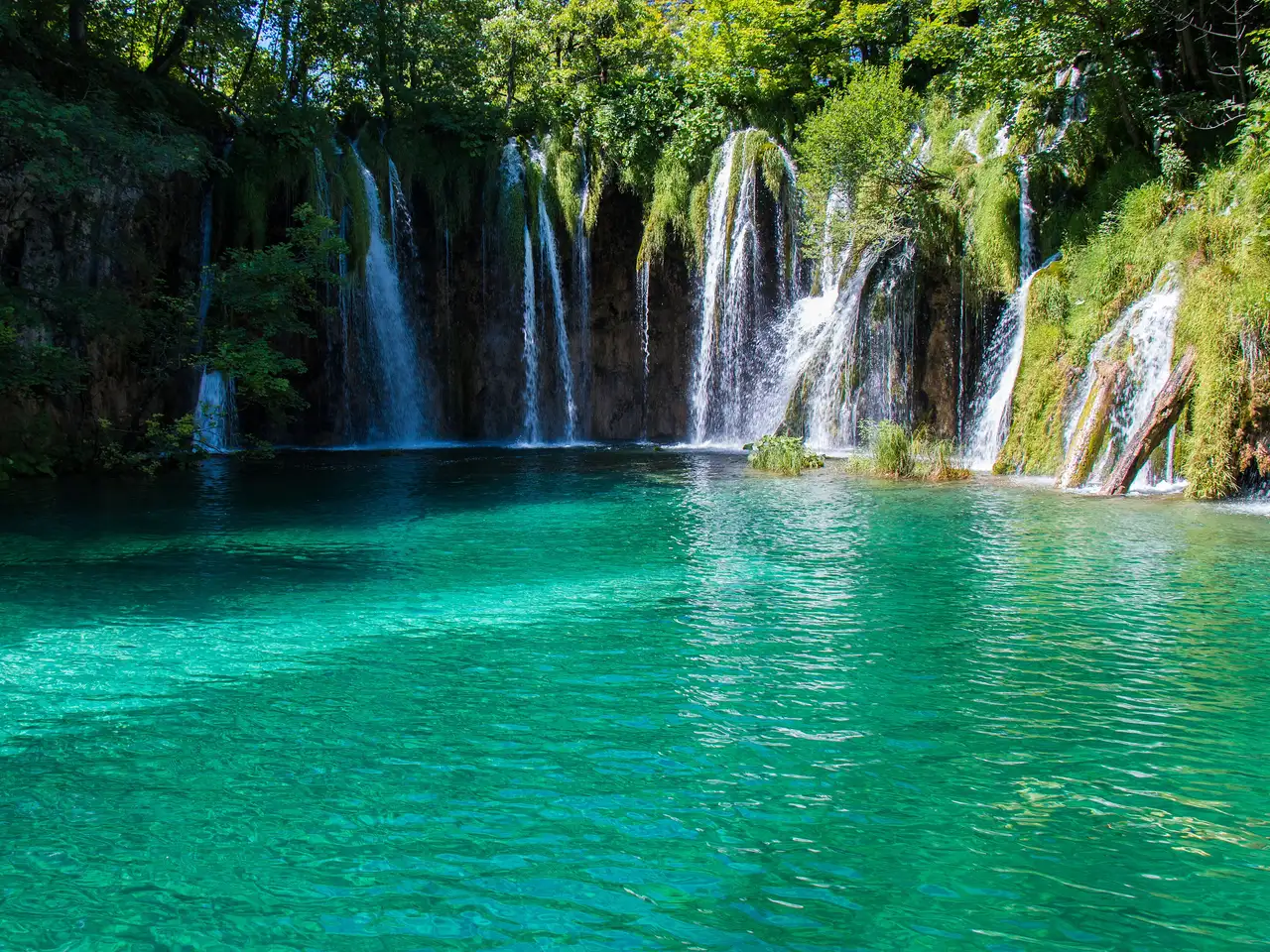
By car, on the way to PlitviceSixteen terraced lakes joined by waterfalls and wooden walkways, on the UNESCO World Heritage List. In summer, buy your ticket online for a set entry time.
Bus from the main bus station, about 2 hr 30 minSlovenia's small, green capital: cafés along the Ljubljanica, Plečnik's Triple Bridge and a castle on the hill above the old town.
Bus or train, about 2 hr 30 minBeyond the sights: what to do outdoors, on a rainy afternoon, after dark and on a Saturday morning, the way locals spend them.
Marked trails climb through beech forest from the edge of the city to the 1,033-metre summit of Medvednica. Take the cable car down if your legs say so.
A flat path runs along the river embankment for kilometres, between Lake Jarun and Bundek. The city's Nextbike stations rent bikes by the hour.
A lake and lawns in Novi Zagreb, just across the river, with a playground, barbecue spots and plenty of shade on hot days.
A green slope below the Upper Town, beside the funicular, where street artists have painted the walls, with a café and events in summer.
Grounded Sun, a bronze sphere on Bogovićeva Street, is the start of a scale model of the solar system. Its planets are hidden in walls and squares across the city.
Steam engines, aircraft, a planetarium and a replica mine, with demonstrations of Tesla's inventions. A good choice with children.
On Zrinjevac, home of the Zagreb Mummy, whose linen wrappings carry the longest surviving text in Etruscan.
Furniture, glass, clocks and fashion from the Gothic to today, opposite the Croatian National Theatre.
Rooms that play tricks on your eyes, made for photos, on Ilica a few tram stops from the main square.
The story of cocoa from the Maya to Croatian chocolate makers, with tastings along the way.
The Upper Town is still lit by gas lamps, and at dusk a lamplighter walks the lanes lighting them by hand, one by one.
From late spring to early autumn, the Strossmayer Promenade fills with concerts, film nights and food stalls, with the Lower Town's roofs below.
The city's main concert hall and home of the Zagreb Philharmonic, with a season of classical, jazz and world music.
Zagreb has a lively craft beer scene, from the Garden Brewery taproom in a former warehouse east of the centre to small bars in the Lower Town.
On Saturday mornings, Zagreb dresses up and meets for coffee on the terraces around Flower Square and Tkalčićeva, to see and be seen.
On weekends in the warmer months, the Cravat Regiment, in red 17th-century uniforms, changes the guard in the Upper Town and parades through the centre.
Every Sunday morning the little square becomes an antiques fair: postcards, coins, records and Yugoslav-era curiosities.
Zagreb's huge open-air flea market by the Sava, with everything from car parts to vintage furniture. Go early.
Bright red hearts of decorated honey dough, a northern Croatian craft on the UNESCO list and the classic Zagreb souvenir. They are for hanging up, not for eating.
The necktie is named after the scarves Croatian soldiers wore in 17th-century France. Shops in the centre sell silk ones, and 18 October is Cravat Day.
Zagreb cooks like the north of Croatia: hearty, creamy and generous, with an Austrian and Hungarian accent. These are the dishes and drinks to look for on menus and at the market.
ŠtrukliCheese pastry
Thin dough wrapped round fresh cottage cheese, boiled, or baked with cream until golden. Zagorje štrukli are an EU-protected speciality.
Purica s mlincimaTurkey with mlinci
Roast turkey with mlinci, thin baked flatbreads softened in the roasting juices; a Sunday and holiday classic.
Zagrebački odrezakZagreb schnitzel
A veal cutlet stuffed with ham and cheese, breaded and fried: the city's own take on the schnitzel.
Sir i vrhnjeFresh cheese and cream
Soft cow's cheese with sour cream, sold by farm women at Dolac market. Eat it with bread and a pinch of paprika.
BurekFilo pie
Flaky pastry filled with cheese or meat, from any bakery: the city's favourite breakfast on the go, often with a yoghurt.
KremšnitaCustard cream slice
A tall square of custard and cream between layers of puff pastry. Samobor's is the most famous, but Zagreb's cafés make it too.
OrehnjačaWalnut roll
Sweet yeast dough rolled round ground walnuts (or poppy seeds, as makovnjača), a Christmas and Easter staple.
PaprenjaciPepper biscuits
Honey and walnut biscuits spiced with black pepper and pressed with patterns in wooden moulds.
Pečeni kesteniRoasted chestnuts
Sold hot in paper cones from street stands, from the first cold days of autumn through Advent.
GemištWhite wine spritzer
Dry white wine with sparkling water, the Zagreb way to drink wine on a terrace: half and half, or ask for it stronger.
RakijaFruit brandy
Plum (šljivovica), herb (travarica) or honey (medica): a small glass is how a host says welcome.
BermetSamobor aperitif
A bittersweet red wine flavoured with herbs and fruit, made in Samobor to old family recipes and served chilled before a meal.
Kuhano vinoMulled wine
Red or white wine warmed with spices and orange, the drink of the Advent markets.
Dobar tek!Croatian for “enjoy your meal”
Zagreb Airport is about 17 km south-east of the centre. The airport shuttle bus runs to the main bus station in about 35 to 40 minutes; a taxi or a ride-hailing app (Uber and Bolt both operate here) takes you to the door in about 25 to 30 minutes.
The main railway station is on King Tomislav Square, at the southern end of the Lower Town. Ban Jelačić Square is about 15 minutes away on foot, through the parks of the Lenuci Horseshoe.
Intercity and international coaches arrive at the main bus station, about 2 km south-east of the centre. Tram 6 takes you to Ban Jelačić Square.
Road distance to Zagreb
Motorways link Zagreb with Ljubljana, Budapest and the coast. The historic centre is largely pedestrian, so plan where you will park before you arrive.
Most sights are within 15 minutes of the main square. The Upper Town is uphill and cobbled, so comfortable shoes help.
ZET trams cross the city day and night. Buy a ticket at a kiosk or in the official app before you board (tickets from the driver cost more) and validate it as you get on.
One of the world's shortest funiculars, on just 66 metres of track, runs from Tomićeva Street up to the Upper Town beside Lotrščak Tower.
Street parking in the centre is split into zones with time limits, paid from Monday to Saturday and usually free on Sundays and public holidays. Pay by text message or app as shown on the signs, or use one of the public garages near the centre.
Valid for 24 or 72 hours, it covers public transport and gives discounts at museums and restaurants.
These stays have parking on site or free public parking nearby, so you can leave the car and walk.
Zagreb is a year-round city. Every season has its own reason to come, and our blog has the dates and details for the big ones.

Parks turn green, café terraces fill up and the Festival of Lights brightens the centre in March. The best weeks for long walks before the summer heat.
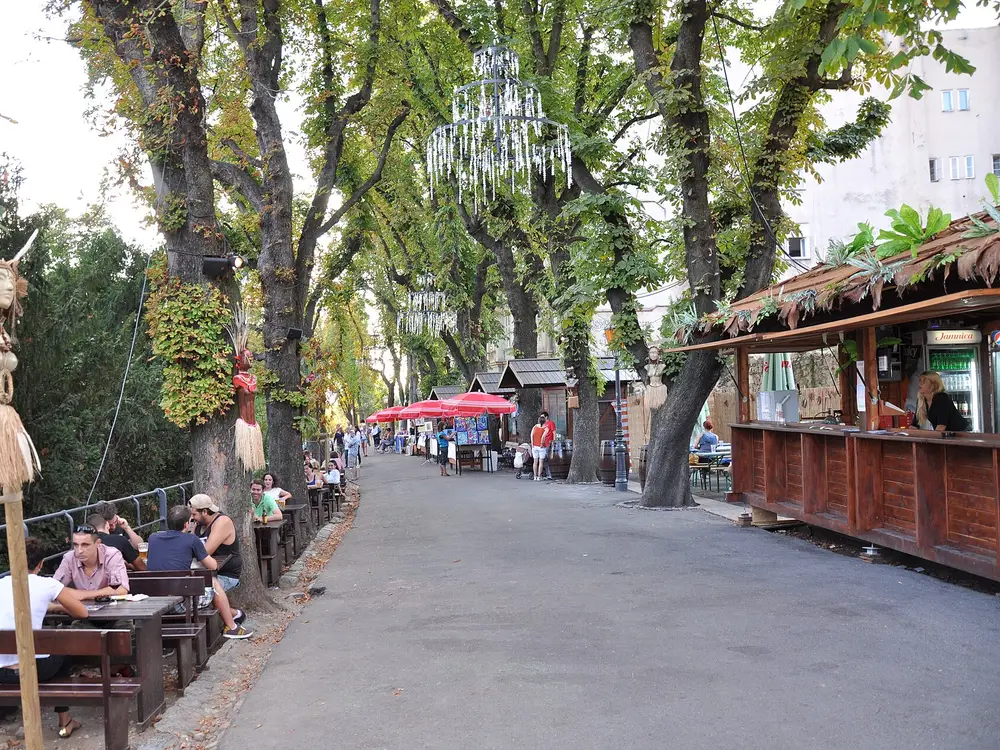
Hot days and long evenings. Locals head for Lake Jarun and the Upper Town promenade, and the city is calmer and easier to explore than the busy coast.
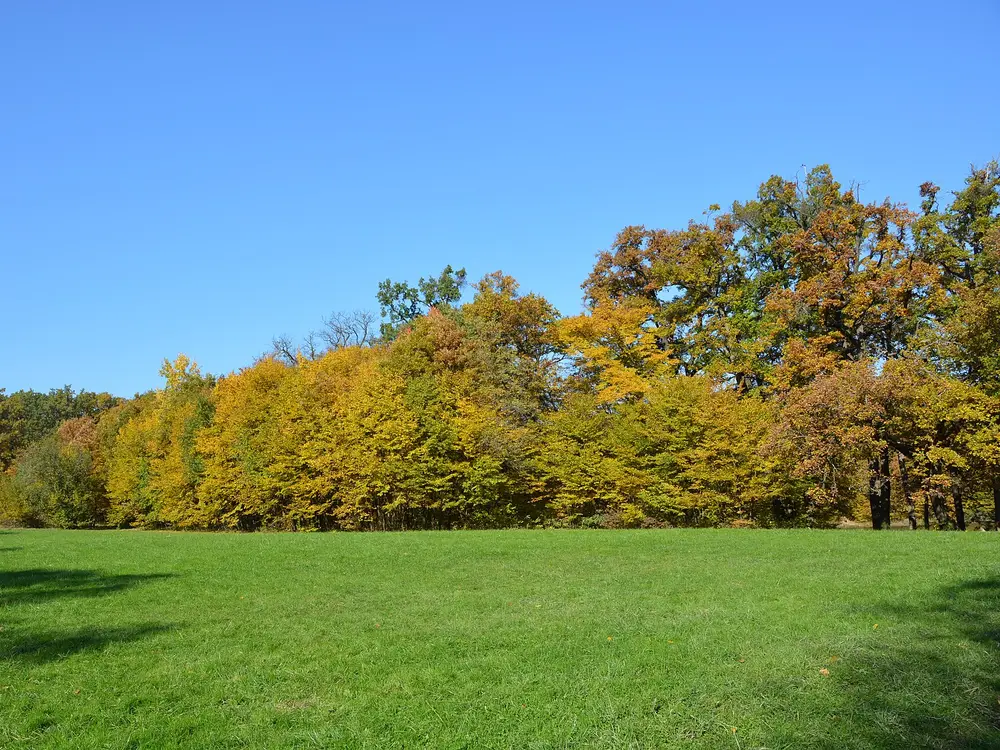
Mild, golden weeks for Maksimir Park and the forests of Medvednica, as theatres and concert halls open their new season.
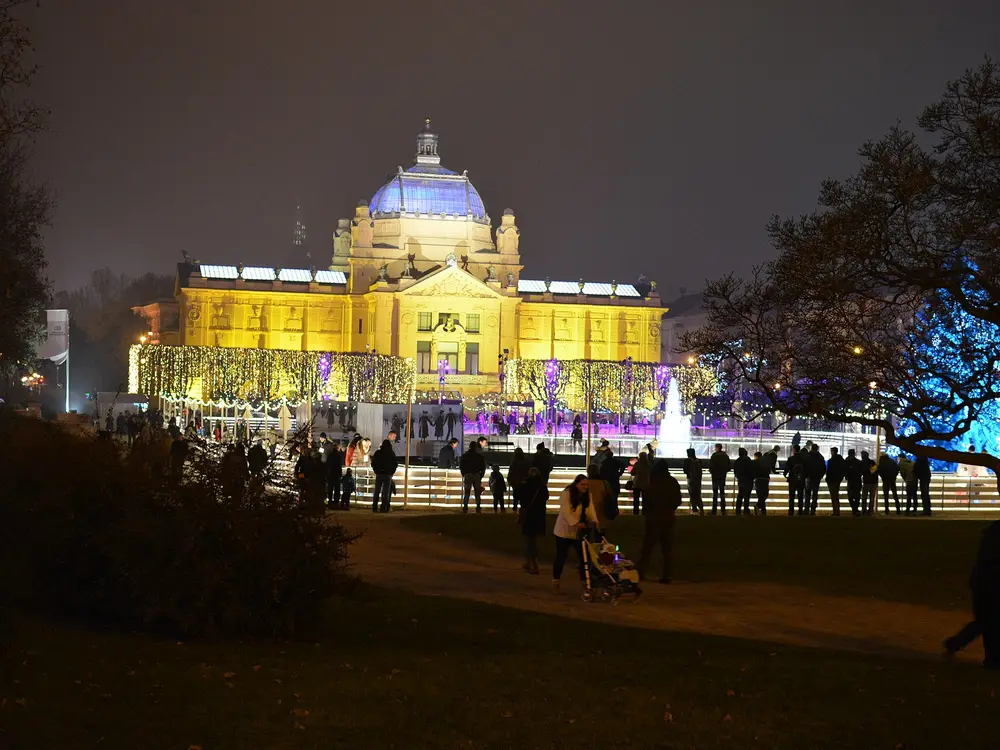
From late November to early January, Advent turns the centre into one of Europe's best-known Christmas markets, ending with the New Year's Eve concert on the main square.
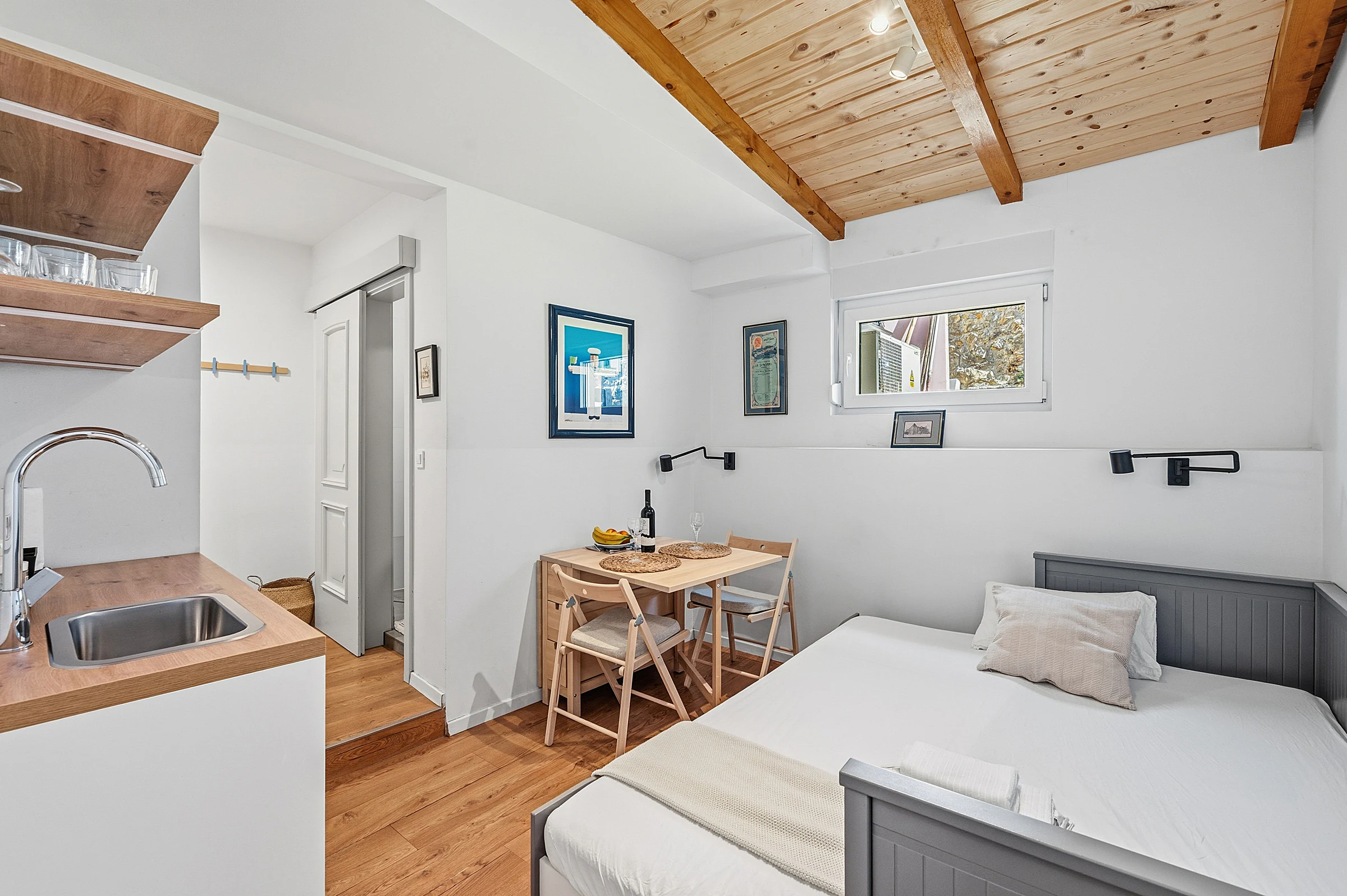
Apartments, studios and rooms we look after ourselves, most of them a short walk from the main square. Book direct for the best price.


Anything else? Our team is in Zagreb and happy to help.
Tell us your dates and who's coming, and our team in Zagreb will suggest the stays that fit.
Hi! We're two couples, 4 to 7 December, looking for two bedrooms near the Advent markets.
We reply in


 D&A Property Management
We use a few cookies to run the site and keep our forms free of spam. With your OK, we also use Google Analytics and Google Ads to see how the site is used and which ads lead to bookings. You can change your choice at any time.
Cookie settingsEssential cookies and spam protection are always on, because the site and the contact form need them. Analytics and ads are up to you.
Essential
Keep the site working: your language, your cookie choice, the stays you picked and secure checkout with Stripe.
Spam protection
Google reCAPTCHA checks that contact form messages come from people, not bots. It looks at how the page is used, so Google receives your IP address and browser details.
Analytics and ads
Google Analytics counts visits and shows which pages people use. Google Ads tells us when a visit from one of our ads ends in a booking. We don't use them to show you ads on other sites.